

What the Fed's October Decision Means for Mortgage Lenders Heading Into 2027

Key takeaways:

  • In October 2026, the Federal Reserve decided to hold the federal funds rate steady. 
  • That decision came amid pressure from the executive branch to lower the rate.
  • While the rate remained unchanged in October, the Fed did decide to raise its rate by 0.25% in September (its first hike since 2023).
  • The Fed’s rate doesn’t directly impact mortgage rates, but it does shape them — and this decision leaves lenders in an uncertain position for 2027. 

There’s been quite a bit of buzz around the federal funds rate. This economic bellwether has had its time in the spotlight recently. As economic leaders look to tamp down inflation and increase affordability, it serves as a tool.

With the federal funds rate doesn’t directly affect mortgage rates, it plays a big role in the overall cost of lending. Because this rate determines what banks charge each other when they lend overnight, it often ripples out. A higher rate from the Fed can mean everything from car loans to mortgages cost more for borrowers. 

Some (including the executive branch) hoped that the Federal Open Market Committee (FOMC) would lower the rate at the committee’s October 28 meeting. They did not. 

Here’s a look at what that means for mortgage lenders.

The October 28 rate decision and its economic factors

Of the 12 members on the FOMC, 10 voted to hold rates steady. This decision was largely based on the current state of inflation. Lowering the rate would make borrowing more affordable. Keeping it the same encourages people to save, which can help to combat inflation. 

In its statement about the rate decision, the FOMC said, “Inflation remains elevated. The accumulation of more information will help the Committee determine the policy stance appropriate to ensure a timely return of inflation to the Committee's 2% goal.”

Notably, the two votes against keeping the rate the same weren’t in favor of cutting the rate. Instead, both FOMC members voted to raise the rate by 0.25%. 

Why mortgage lenders should care

This matters for lenders because it helps to set the tone for what to expect in 2027. 

There’s been a lot of chatter about where the economy is headed. Some people, including the President, want to see the federal funds rate come down to make borrowing more affordable and stimulate the economy.

But with inflation high, the FOMC seems leaning in the opposite direction. The two FOMC members who voted against the majority weren’t in favor of lowering the rate. Instead, they wanted to raise it, building on the hike from September 2026. 

In short, if anything, mortgage lenders should expect more tightening, not less. That’s probably not great news for your pipeline. A higher federal funds rate tends to translate to higher mortgage rates. Paired with the high home prices we’re seeing right now, that’s likely to keep a lot of borrowers out of the market. 

How to manage the Fed’s decision

Just because the federal funds rate remains unchanged doesn’t mean mortgage rates will. Lots of other factors impact mortgage rates, including Treasury yields. 

For now, advise your team to steer clear of making any kind of rate predictions to borrowers. The Fed’s October decision means your loan officers definitely shouldn’t be telling people that rates are likely to fall dramatically anytime soon. 

Still, there’s plenty your team can do to encourage more borrowing, both now and in the future. 

Keep borrowers informed with real-time rates

Some would-be borrowers are watching rates just as anxiously as you are. Whether they want to move or they’re looking for their path to finally become a homeowner, they want to strike when the iron is hot. 

For these folks, even a small downward dip could be the sign to act. That gives you an entry point. By keeping them informed about current rates, you put your team in front of them at the optimal moment. When they see a rate they like and want to move forward, you’re right there.

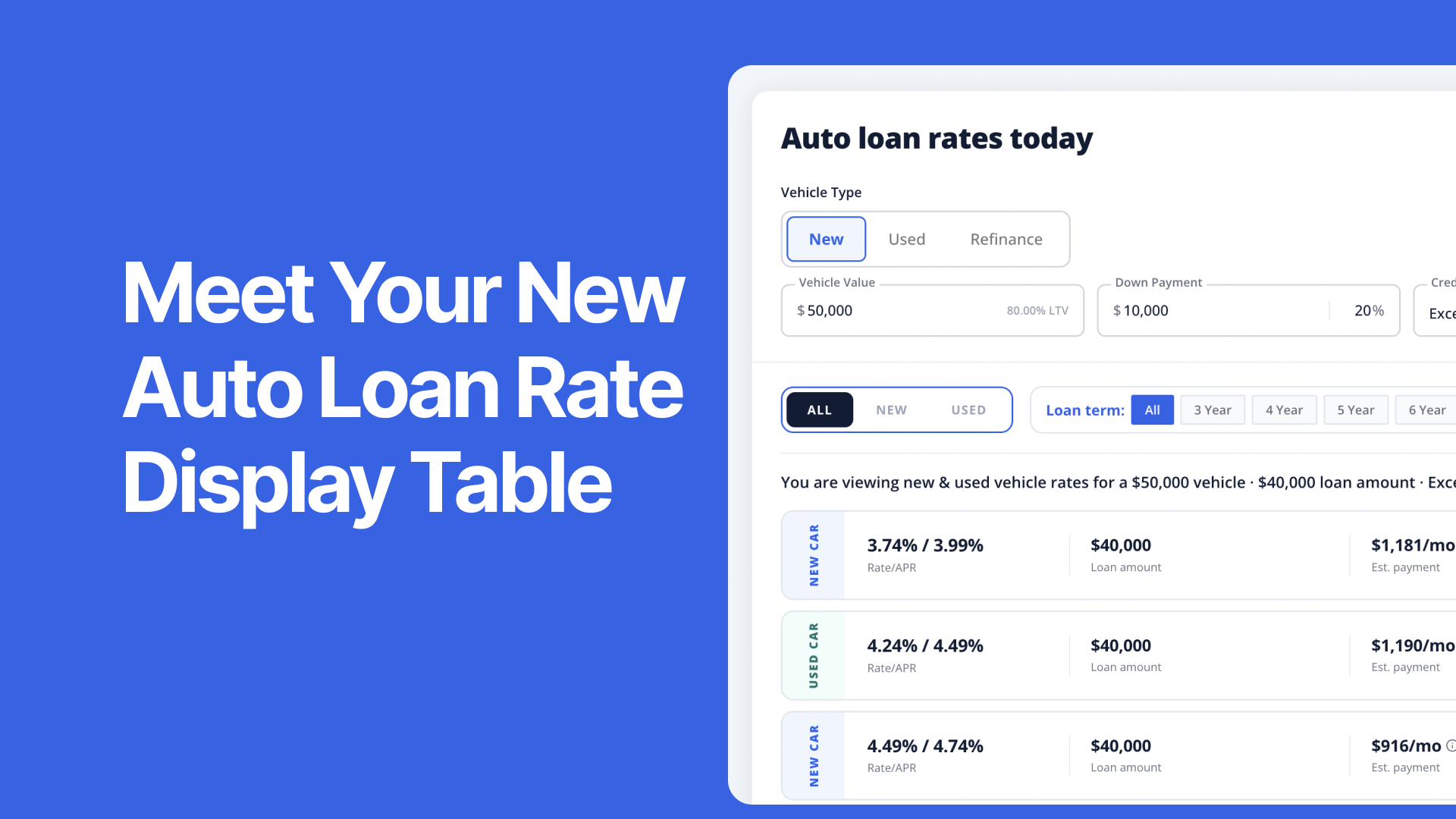
Heading into 2027, you can optimize this opportunity by presenting rates in a few ways. First, make sure you have live rates on your website. (We try to make this easy with rate tables that connect directly to your pricing engine.)

Some people check rates regularly. For those that don’t, you can still keep rates — and future borrowing opportunities — top of mind. Rate alert emails give you a way to deliver rate updates straight to their inbox. 

Lean into equity-backed borrowing

If rates remain high, you probably won’t see a lot of rate-and-term refinancing activity. But that doesn’t take refis off the table.

Affordability is a major concern for a lot of homeowners right now. At the same time, plenty of them are sitting on quite a bit of equity. You can help them turn that into the cash they need with options like cash-out refinances, home equity loans, and home equity lines of credit (HELOCs). 

Make information about these equity-backed options, including current rates, readily available. (We have tools to help.) These are trying economic times for a lot of people. Helping them understand how they could free up some of their equity can be a big help — to them and to your pipeline. 

Be ready when borrowers are

The Fed’s October decision suggests we’re not going to see a steep rate drop anytime soon. That means people might be on the hunt for more granular downward direction. If rates fall by even a small amount, certain borrowers might decide that’s enough.

Make it easy for them to take next steps with you. If your website offers a way to request a quote, for example, you can capture that borrower as a lead. Added features like calculators and personalized rate dashboards can further nudge people in your direction. 

By making rate info easily accessible, you position your lending team as a helpful, informative partner. That can bring more borrowers to your table. And that’s extra important right now, while relatively high rates and home prices limit who’s borrowing. 

We’re here to help your lending team deploy tools to feed its pipeline. To explore live rate tables, lead workflows, calculators, rate alert emails, and more, book a demo with us today.

Turn your website traffic into mortage leads

Book a demo

The 2024 Mortgage Lead Conversion Mastery Playbook

Strategies and Insights from Converting Over 250,000 Mortgage Leads

Get the scoop on what’s new

Subscribe to our newsletter to stay up to date on latest trends, tips& tricks, industry news & events in the mortgage industry

Thank you! Your submission has been received!
Oops! Something went wrong while submitting the form.

100+ mortgage companies are increasing their revenue using BankingBridge products

Business
Apr 12, 2023

What the Fed's October Decision Means for Mortgage Lenders Heading Into 2027

Key takeaways:

  • In October 2026, the Federal Reserve decided to hold the federal funds rate steady. 
  • That decision came amid pressure from the executive branch to lower the rate.
  • While the rate remained unchanged in October, the Fed did decide to raise its rate by 0.25% in September (its first hike since 2023).
  • The Fed’s rate doesn’t directly impact mortgage rates, but it does shape them — and this decision leaves lenders in an uncertain position for 2027. 

There’s been quite a bit of buzz around the federal funds rate. This economic bellwether has had its time in the spotlight recently. As economic leaders look to tamp down inflation and increase affordability, it serves as a tool.

With the federal funds rate doesn’t directly affect mortgage rates, it plays a big role in the overall cost of lending. Because this rate determines what banks charge each other when they lend overnight, it often ripples out. A higher rate from the Fed can mean everything from car loans to mortgages cost more for borrowers. 

Some (including the executive branch) hoped that the Federal Open Market Committee (FOMC) would lower the rate at the committee’s October 28 meeting. They did not. 

Here’s a look at what that means for mortgage lenders.

The October 28 rate decision and its economic factors

Of the 12 members on the FOMC, 10 voted to hold rates steady. This decision was largely based on the current state of inflation. Lowering the rate would make borrowing more affordable. Keeping it the same encourages people to save, which can help to combat inflation. 

In its statement about the rate decision, the FOMC said, “Inflation remains elevated. The accumulation of more information will help the Committee determine the policy stance appropriate to ensure a timely return of inflation to the Committee's 2% goal.”

Notably, the two votes against keeping the rate the same weren’t in favor of cutting the rate. Instead, both FOMC members voted to raise the rate by 0.25%. 

Why mortgage lenders should care

This matters for lenders because it helps to set the tone for what to expect in 2027. 

There’s been a lot of chatter about where the economy is headed. Some people, including the President, want to see the federal funds rate come down to make borrowing more affordable and stimulate the economy.

But with inflation high, the FOMC seems leaning in the opposite direction. The two FOMC members who voted against the majority weren’t in favor of lowering the rate. Instead, they wanted to raise it, building on the hike from September 2026. 

In short, if anything, mortgage lenders should expect more tightening, not less. That’s probably not great news for your pipeline. A higher federal funds rate tends to translate to higher mortgage rates. Paired with the high home prices we’re seeing right now, that’s likely to keep a lot of borrowers out of the market. 

How to manage the Fed’s decision

Just because the federal funds rate remains unchanged doesn’t mean mortgage rates will. Lots of other factors impact mortgage rates, including Treasury yields. 

For now, advise your team to steer clear of making any kind of rate predictions to borrowers. The Fed’s October decision means your loan officers definitely shouldn’t be telling people that rates are likely to fall dramatically anytime soon. 

Still, there’s plenty your team can do to encourage more borrowing, both now and in the future. 

Keep borrowers informed with real-time rates

Some would-be borrowers are watching rates just as anxiously as you are. Whether they want to move or they’re looking for their path to finally become a homeowner, they want to strike when the iron is hot. 

For these folks, even a small downward dip could be the sign to act. That gives you an entry point. By keeping them informed about current rates, you put your team in front of them at the optimal moment. When they see a rate they like and want to move forward, you’re right there.

Heading into 2027, you can optimize this opportunity by presenting rates in a few ways. First, make sure you have live rates on your website. (We try to make this easy with rate tables that connect directly to your pricing engine.)

Some people check rates regularly. For those that don’t, you can still keep rates — and future borrowing opportunities — top of mind. Rate alert emails give you a way to deliver rate updates straight to their inbox. 

Lean into equity-backed borrowing

If rates remain high, you probably won’t see a lot of rate-and-term refinancing activity. But that doesn’t take refis off the table.

Affordability is a major concern for a lot of homeowners right now. At the same time, plenty of them are sitting on quite a bit of equity. You can help them turn that into the cash they need with options like cash-out refinances, home equity loans, and home equity lines of credit (HELOCs). 

Make information about these equity-backed options, including current rates, readily available. (We have tools to help.) These are trying economic times for a lot of people. Helping them understand how they could free up some of their equity can be a big help — to them and to your pipeline. 

Be ready when borrowers are

The Fed’s October decision suggests we’re not going to see a steep rate drop anytime soon. That means people might be on the hunt for more granular downward direction. If rates fall by even a small amount, certain borrowers might decide that’s enough.

Make it easy for them to take next steps with you. If your website offers a way to request a quote, for example, you can capture that borrower as a lead. Added features like calculators and personalized rate dashboards can further nudge people in your direction. 

By making rate info easily accessible, you position your lending team as a helpful, informative partner. That can bring more borrowers to your table. And that’s extra important right now, while relatively high rates and home prices limit who’s borrowing. 

We’re here to help your lending team deploy tools to feed its pipeline. To explore live rate tables, lead workflows, calculators, rate alert emails, and more, book a demo with us today.

Continue reading

Our newsletter

Get great curated articles every week.

No spam!